What Are Amazon Item Highlights? The New 125-Character Field Explained
Amazon Item Highlights are about to become one of the most important listing fields sellers need to understand.
As Amazon moves most non-media product titles toward a 75-character limit, sellers get a new companion field: Item Highlights. This field gives sellers 125 additional characters for useful product details that no longer fit inside the shorter title.
That sounds simple.
But for sellers with real catalogs, it creates a new question:
What exactly should go into Item Highlights?
If you treat Item Highlights like bullet points, you will overfill them. If you treat them like backend keywords, you may waste customer-facing space. If you treat them like a second title, you may create repetition instead of clarity.
The better way to think about Item Highlights is this:
The title should identify the product. Item Highlights should preserve the most useful supporting details.
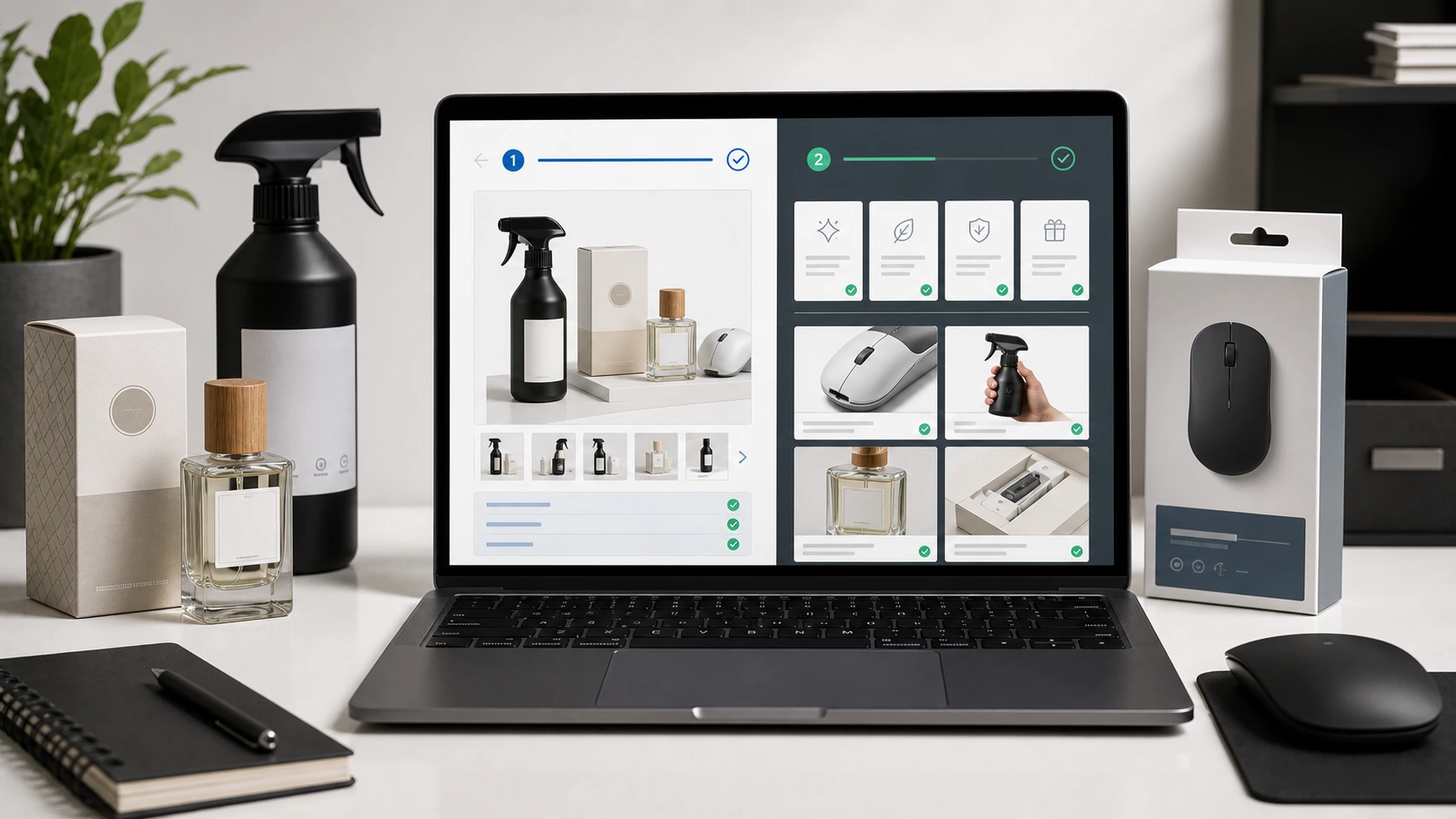
If you are preparing for Amazon's shorter title format, the Amazon 75-Character Title Compliance workflow is built for this exact title and Item Highlights review process. For the broader seller workflow, see Amazon seller content workflows.
Quick answer: what are Amazon Item Highlights?
Amazon Item Highlights are a 125-character product listing field connected to Amazon's shorter title structure. They give sellers a place to add useful source-supported details, such as materials, use cases, ingredients, compatibility, or comparison points, that may no longer fit inside a 75-character product title. Item Highlights are not full bullet points, a long description, or a second product title.
Amazon's Seller Central announcement describes Item Highlights as an additional 125 characters for details such as materials or recommended use cases, visible below titles in search results and on detail pages, and searchable for shoppers. Amazon Seller Central
Why Amazon introduced Item Highlights
Amazon's title update changes the job of the product title.
Historically, many sellers used titles as the main place to carry almost everything:
- brand
- product type
- size
- pack count
- color
- material
- ingredient
- use case
- audience
- benefit
- compatibility
- fragrance
- keyword variations
That worked poorly for shoppers, especially on mobile. Long titles often became cluttered, repetitive, and difficult to scan.
Amazon's newer structure pushes sellers toward cleaner titles. The title becomes shorter and more focused. Item Highlights become the place for important supporting information.
The practical idea is not to delete product detail. It is to redistribute it.
Amazon's 2025 title requirements also show the broader direction: cleaner titles, limits on repeated words, and restrictions on certain special characters. Amazon Seller Central
Item Highlights in simple terms
Think of Amazon Item Highlights as a short support line under the title.
The title answers:
What is the product?
Item Highlights answer:
What else should the shopper know quickly?
For example:
Title: SOULBAR Mystic Musk Soap with Red Clay & Goat Milk, 100g
Item Highlights: Moroccan clay, goat milk, musk fragrance, moisturizing bath bar
The title identifies the product. The Item Highlights preserve useful secondary context.
That is the mental model sellers need.
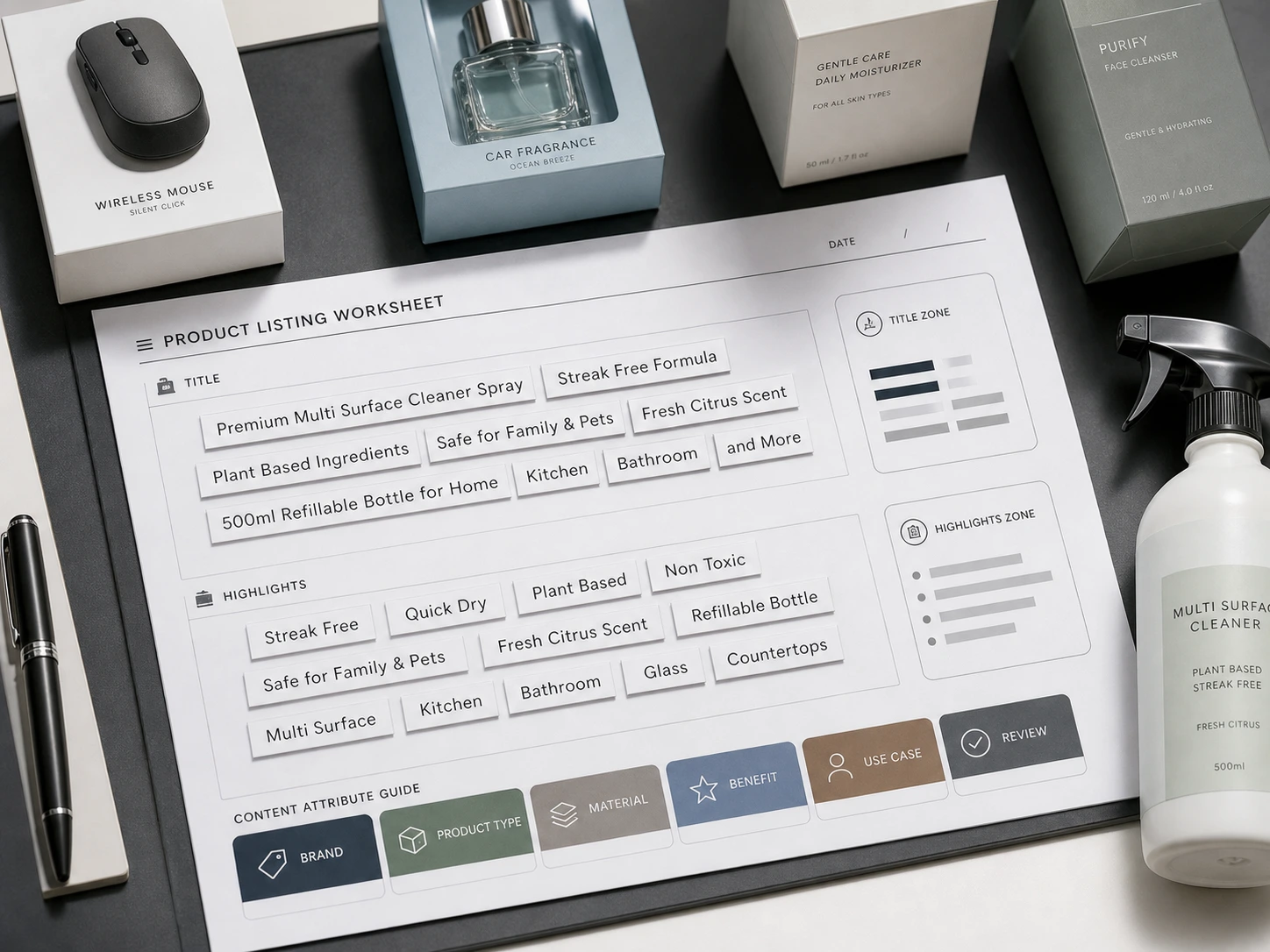
Item Highlights are not bullet points
This is the first mistake to avoid.
Amazon Item Highlights are not the same as the normal product bullet points on a detail page.
Bullet points can carry more explanation. They usually cover features, benefits, use cases, and selling points in fuller detail.
Item Highlights are much shorter. They should work like a compact comparison line.
A good Item Highlights value feels like:
stainless steel, insulated, leakproof, 750 ml, gym and travel use
A weak Item Highlights value feels like:
This premium bottle is designed for everyday use and is perfect for people who want to keep drinks hot or cold throughout the day
The second example is too sentence-like. It wastes space and feels like a mini product description.
Item Highlights are not backend keywords
The second mistake is treating Item Highlights like a hidden keyword field.
Item Highlights are customer-facing. They should help a shopper understand or compare the product.
Do not fill them with awkward keyword fragments just because the field is searchable.
Bad example:
water bottle bottle for gym office bottle stainless hot cold sports bottle
Better example:
stainless steel, insulated, leakproof, gym and office use
The better version is still searchable, but it is also readable.
Readable matters.
Item Highlights are not a second title
The third mistake is repeating the title.
If the title already says:
Soulbar Royal Musk Car Perfume Spray, 80 ml
Then the Item Highlights should not simply say:
Royal Musk car perfume spray 80 ml long-lasting car perfume
That repeats too much.
A better Item Highlights value would be:
hanging card, long-lasting freshener, 700+ sprays
The highlights should add useful detail, not mirror the title.
Item Highlights vs product title vs bullet points
Use this comparison when deciding what belongs where.
| Field | Main job | Best for | Avoid |
|---|---|---|---|
| Product title | Identify the product quickly | Brand, product type, variant, size, pack count | Long benefit stacks and repeated keywords |
| Item Highlights | Add compact supporting detail | Materials, use cases, ingredients, compatibility, secondary benefits | Paragraphs, full bullet points, repeated title wording |
| Bullet points | Explain features and benefits in more depth | Product education, benefits, usage, proof, claims context | Stuffing every keyword into every bullet |
| Description / A+ content | Tell the deeper product story | Brand story, lifestyle context, detailed explanation | Repeating the same title and bullet content |
The best Amazon listing structure is not one field doing everything. It is each field doing its job.
What should go into Amazon Item Highlights?
Good Item Highlights usually include product details that are useful but not essential enough to stay in the shorter title.
Strong candidates include:
- ingredients
- materials
- use cases
- compatibility
- fragrance
- color
- texture
- finish
- size or pack count if not in the title
- audience when meaningful
- secondary benefits
- comparison points
The key rule:
Only use details supported by the source listing data.
Do not invent new claims just to make the field sound better.
What should not go into Item Highlights?
Item Highlights are short, so they need discipline.
Avoid:
- unsupported claims
- vague promotional phrases
- repeated title words
- long sentences
- keyword stuffing
- medical or health claims without review
- excessive audience stacking
- generic adjectives like "best" or "premium" unless clearly appropriate and supported
- claims that need legal, regulatory, or marketplace review
A short field can still create risk if it includes a strong claim.
For example:
anti-aging, dermatologist-approved, clinically proven
Those may be powerful phrases, but they need review. Do not casually move sensitive claims into Item Highlights just because the title is too short.
The Keep, Move, Avoid framework
When rewriting a long Amazon title, split the information into three buckets.
| Title part | What to do | Example |
|---|---|---|
| Brand | Keep in title | SOULBAR |
| Product type | Keep in title | handmade soap |
| Variant/model | Keep in title | Mystic Musk |
| Size/quantity | Keep in title if important | 100g |
| Ingredient/material | Move to Item Highlights if space is tight | Moroccan red clay |
| Benefit | Move to Item Highlights | moisturizing bath bar |
| Use case | Move to Item Highlights | daily bath, car freshening, gym use |
| Audience | Move or remove based on usefulness | men and women, kids, office users |
| Promotional phrase | Avoid or flag | best, newly launched, perfect gift |
| Repeated keyword | Remove | soap soap, car perfume freshener perfume |
| Unsupported claim | Flag for review | clinically proven, guaranteed, medical claims |
This framework is simple, but it prevents the biggest mistake: treating Item Highlights like a dumping ground for everything removed from the title.
Examples of good Item Highlights by category
Beauty and personal care
Title: SOULBAR Mystic Musk Soap with Red Clay & Goat Milk, 100g
Item Highlights: Moroccan clay, goat milk, musk fragrance, moisturizing bath bar
Why it works: The title keeps the identity. The highlights preserve ingredients, fragrance, and benefit.
Car accessories
Title: Soulbar Royal Musk Car Perfume Spray, 80 ml
Item Highlights: hanging card, long-lasting freshener, 700+ sprays
Why it works: The title identifies the product. The highlights add usage format and quantity context.
Electronics accessory
Title: ArcLite Wireless Mouse with Silent Click, Black
Item Highlights: USB receiver, ergonomic design, long battery life, laptop use
Why it works: The title stays short. The highlights preserve compatibility and benefits.
Home cleaning
Title: BrightWash Fabric Stain Remover Spray, 500 ml
Item Highlights: fabric stains, daily laundry use, spray bottle, color-safe formula
Why it works: The title identifies the cleaner. The highlights explain use case and format.
Food or beverage
Title: BeanCo Arabica Ground Coffee, Medium Roast, 250g
Item Highlights: medium roast, smooth aroma, moka pot and filter brew
Why it works: The title carries product identity. The highlights help shoppers compare roast and brewing use.
How Item Highlights change Amazon title writing
The biggest shift is that sellers no longer need to force every useful detail into the title.
That changes title writing in three ways.
1. Titles can become cleaner
Instead of a long title like:
Premium Handmade Soap with Goat Milk, Rose Clay, Coconut Oil, Anti-Aging Glow, Floral Fragrance, Organic Paraben Free, Gift for Women, 100g
You can write:
Sakura Blush Soap with Rose Clay & Goat Milk, 100g
Then use Item Highlights for:
floral fragrance, moisturizing bath bar, coconut oil, daily use
2. Secondary keywords need a new home
If a detail is useful but not title-critical, Item Highlights may be the right place.
Examples:
- compatible devices
- material type
- fragrance
- ingredient
- use case
- pack quantity
- audience
- surface type
3. Repetition becomes easier to spot
When the title is shorter and highlights are separate, repeated terms become more obvious.
If both fields say the same thing, one of them is wasting space.
How to write Item Highlights from an existing title
Use this workflow for one listing.
Step 1: Identify the product identity
Pull out:
- brand
- product type
- variant/model
- size or quantity
This becomes the title foundation.
Step 2: Identify supporting details
Pull out:
- material
- ingredient
- benefit
- use case
- audience
- compatibility
- fragrance
- secondary differentiator
These become Item Highlights candidates.
Step 3: Remove weak or risky terms
Remove or flag:
- unsupported claims
- repeated words
- promotional adjectives
- overly broad audience phrases
- noisy separators
- claims that need review
Step 4: Write one compact highlight line
Use a comma-separated structure.
Example:
goat milk, Moroccan clay, musk fragrance, moisturizing bath bar
Keep it readable. Do not force every possible keyword into it.
Step 5: Review for accuracy
Ask:
- Is every claim supported by the listing?
- Does it repeat the title too much?
- Is it readable?
- Is it within 125 characters?
- Does it need category or claim review?
How to get the Amazon TXT file from Seller Central
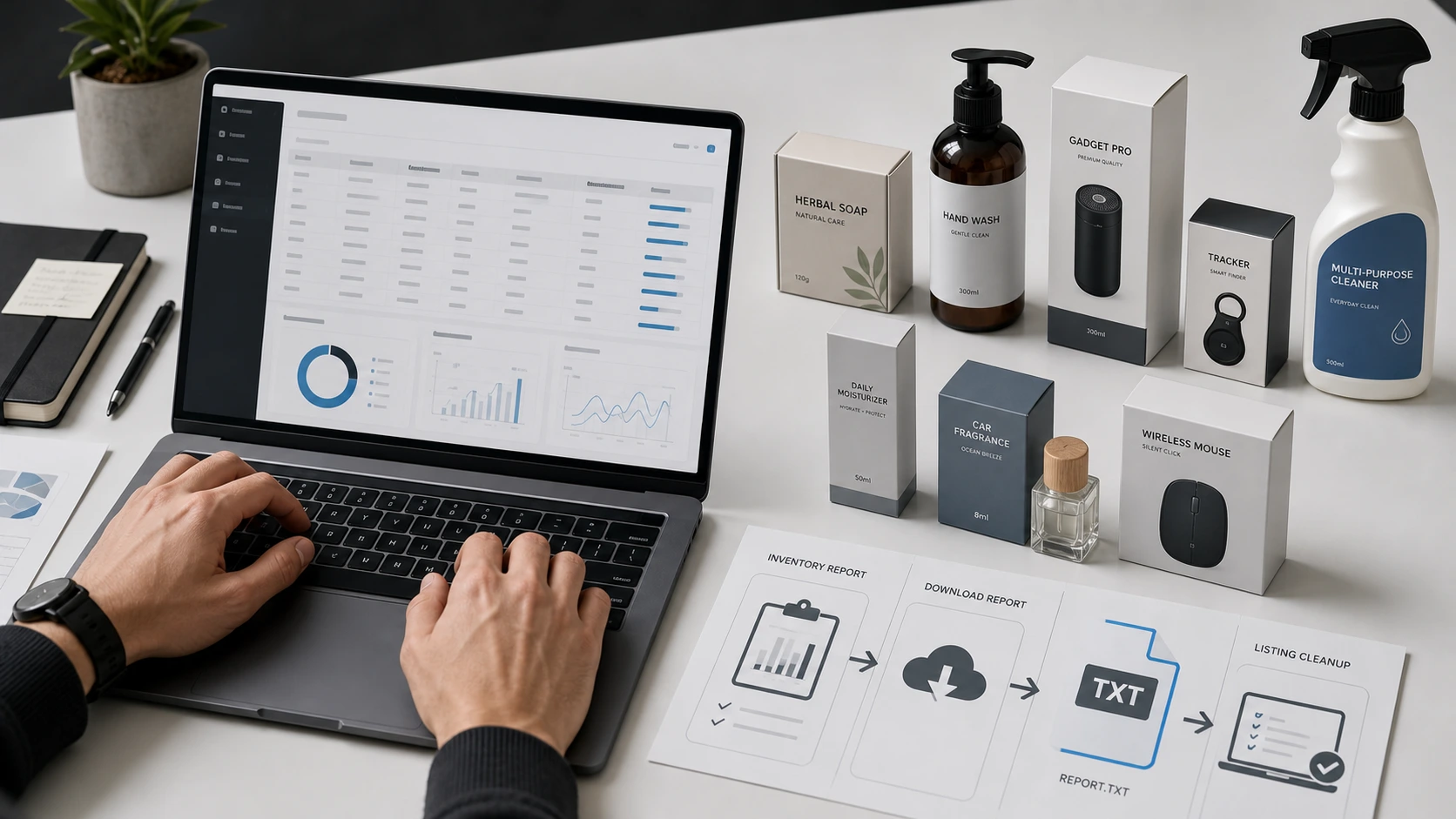
To create Item Highlights at catalog scale, start from the right Amazon export file.
Use the original tab-delimited .txt file downloaded from Amazon Seller Central. Do not convert it to CSV or XLSX before processing.
Basic path:
- Log in to Amazon Seller Central.
- Go to Reports.
- Open Inventory Reports.
- Choose Active Listings, All Listings, Open Listings, or Category Listings Report, depending on the catalog view you need.
- Click Request Report.
- Wait until the report status becomes Ready.
- Click Download.
- Use the downloaded
.txtfile for your title and Item Highlights workflow.
Amazon's inventory report documentation supports the Reports to Inventory Reports to Request Report to Download workflow sellers use to export listing data. Amazon Seller Central
The reason this matters: the original export keeps listing structure close to the source. A blank spreadsheet may lose the relationship between title, description, SKU, ASIN, listing ID, product ID, price, quantity, and other catalog columns.
How to create Item Highlights in bulk
A single listing is easy.
A catalog is different.
If you manage hundreds of products, you need a repeatable process.
Step 1: Export current listing data
Start with your Amazon Seller Central listing export. Keep the file unchanged before processing.
Step 2: Separate title and description fields
Most workflows should start from the existing title and description. These usually contain the richest product context.
Step 3: Generate a shorter title and Item Highlights together
Do not create Item Highlights in isolation.
The title and Item Highlights should work as a pair:
- title = core product identity
- Item Highlights = supporting details
Step 4: Review by product group
Group similar products together. For example:
- soaps
- car perfumes
- electronics accessories
- home cleaners
- apparel
- food items
This helps keep highlight patterns consistent.
Step 5: Review sensitive claims
Give extra review to:
- health claims
- medical claims
- safety claims
- organic claims
- compatibility claims
- performance claims
Step 6: Export a review-ready working file
Use a spreadsheet your team can review. Keep original Amazon identifiers and columns close to the generated fields.
Step 7: Apply approved values through the correct Amazon workflow
A review spreadsheet is not the same as a direct Amazon upload file. Apply approved updates through the correct Seller Central or category-template process.
Amazon's seller Q&A guidance around product title updates also points sellers toward AI recommendations and review workflows, which makes preparation and review important before applying changes. Amazon Seller Central
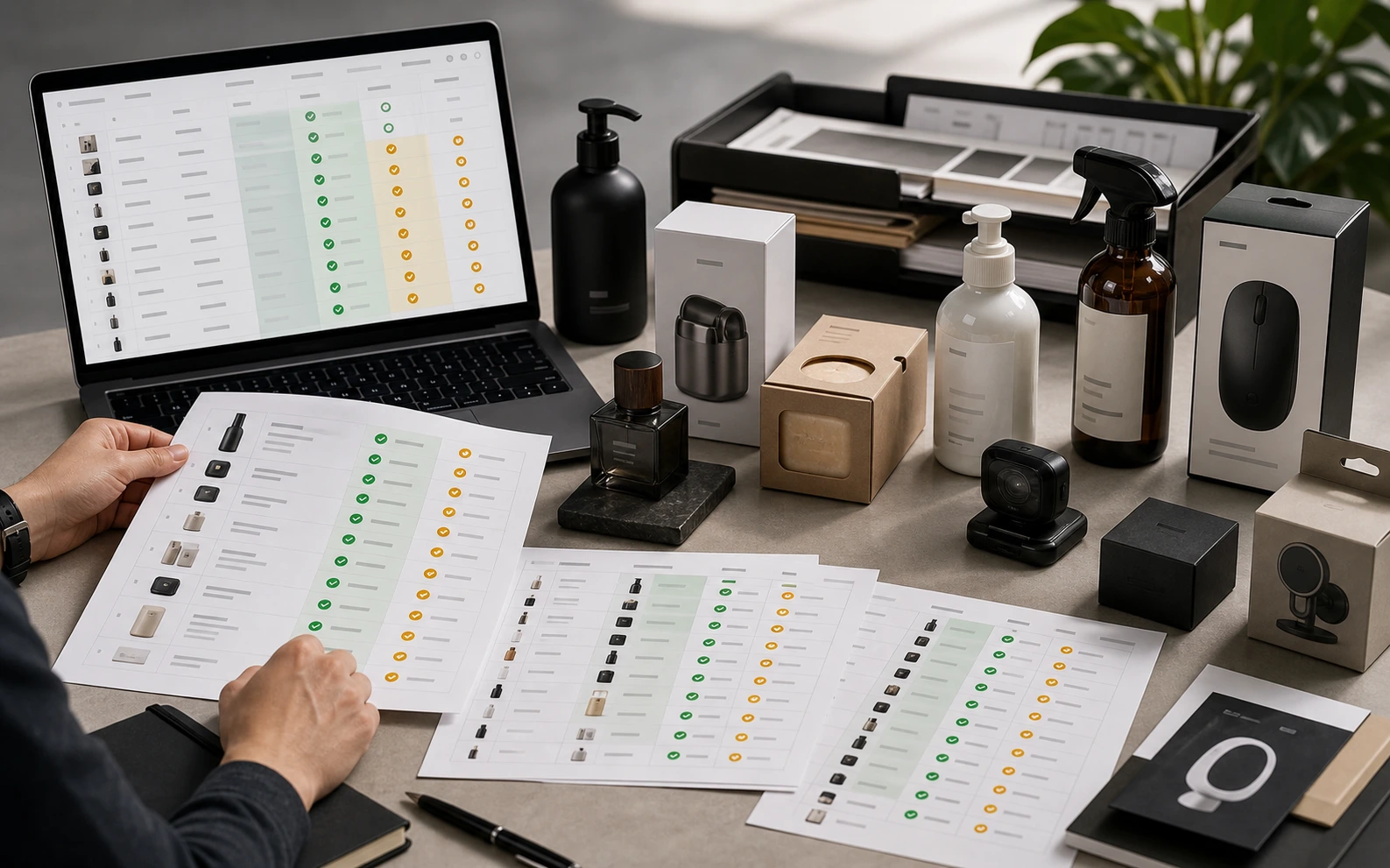
Why generic AI prompts struggle with Item Highlights at catalog scale
A generic AI prompt can help you write one Item Highlights value.
But catalog work needs more than a good sentence.
It needs:
- row-by-row processing
- title and Item Highlights generated together
- character counts
- status tracking
- review notes
- confidence signals
- original column preservation
- export workflow
A seller handling 10 products may manage this manually.
A seller handling 500 products needs a workflow.
How AgenixSocial helps create Amazon Item Highlights
AgenixSocial's Amazon 75-Character Title Compliance workflow helps sellers create shorter titles and 125-character Item Highlights from Amazon listing data.
The workflow starts with an original Amazon Seller Central TXT export. AgenixSocial primarily uses the item name, item description, and eligible product attributes from each row. It then generates a shorter title and one comma-separated Item Highlights value.
The workflow supports:
- all-valid-row generation
- selected-row generation
- editable title and Item Highlights fields
- regeneration
- confidence signals
- validation notes
- live length counters
- review-ready XLSX export
- preservation of original Amazon columns
This matters because Item Highlights are not just a copywriting field. They are part of a catalog update workflow.
AgenixSocial does not directly upload changes to Amazon. It does not guarantee Amazon approval. It helps sellers prepare structured, review-ready outputs so teams can review and apply approved values through the correct Amazon update workflow.
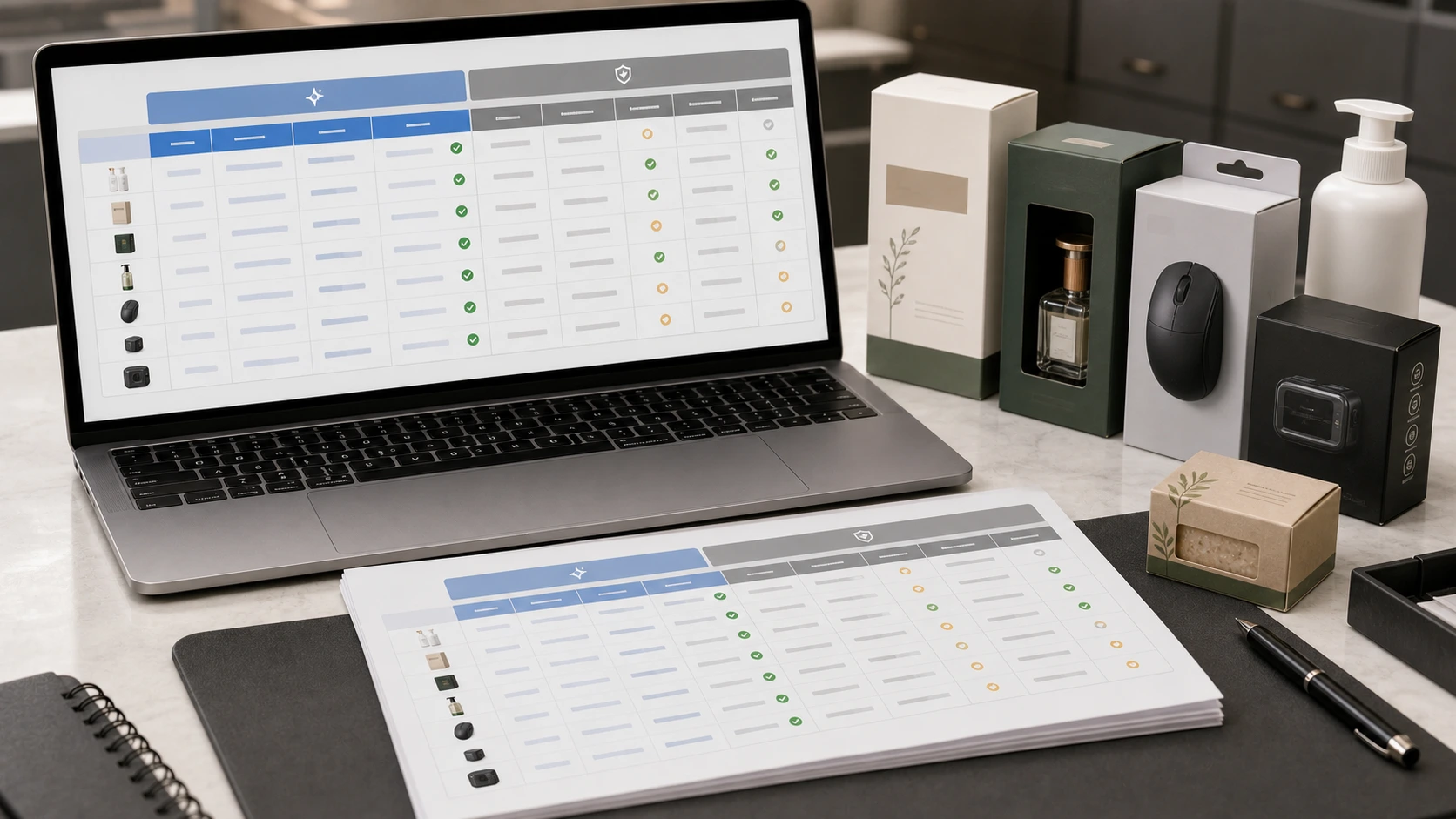
You can also use AgenixSocial alongside marketplace listing image sets, Amazon A+ content generation, and pay-as-you-go credits when preparing wider catalog updates.
Amazon Item Highlights checklist
Use this checklist before updating Item Highlights.
Source file
- Download the original Amazon Seller Central
.txtexport. - Use Reports -> Inventory Reports.
- Choose Active Listings, All Listings, Open Listings, or Category Listings Report.
- Do not convert the file before processing.
- Keep a backup of the source file.
Title and Item Highlights pairing
- Write the title and Item Highlights together.
- Keep product identity in the title.
- Move supporting details into Item Highlights.
- Avoid repeating the same wording unnecessarily.
Item Highlights content
- Use source-supported materials.
- Use source-supported ingredients.
- Include use cases where helpful.
- Include compatibility where relevant.
- Include size or quantity if not already in the title.
- Keep the line readable.
Review
- Check the 125-character limit.
- Review sensitive claims.
- Remove unsupported claims.
- Avoid paragraph-style highlights.
- Avoid keyword stuffing.
- Review low-confidence or unclear rows.
Export and update
- Preserve SKU, ASIN, listing ID, and product ID context.
- Use a review-ready spreadsheet.
- Apply approved values through the correct Amazon workflow.
- Track final updates.
Common mistakes to avoid
Mistake 1: Treating Item Highlights like bullet points
Item Highlights are shorter and more compact. Do not write full feature-benefit paragraphs.
Mistake 2: Treating Item Highlights like backend keywords
They are customer-facing. They should be readable.
Mistake 3: Repeating the title
Use Item Highlights to add context, not duplicate the title.
Mistake 4: Moving risky claims without review
If a claim needs evidence or category review, do not casually move it into Item Highlights.
Mistake 5: Ignoring source data quality
Weak titles and descriptions may create weak highlights. Review rows where the source data is incomplete or unclear.
Mistake 6: Creating Item Highlights one by one without preserving listing columns
Catalog work needs identifiers and context. Keep SKU, ASIN, listing ID, product ID, and source columns close to the workflow.
FAQ
What are Amazon Item Highlights?
Amazon Item Highlights are a short 125-character listing field used to share useful product details that may not fit inside a shorter Amazon product title.
How many characters can Amazon Item Highlights have?
Item Highlights provide up to 125 characters.
Are Amazon Item Highlights searchable?
Yes. Amazon has described Item Highlights as searchable and visible below titles in search results and product detail pages.
Are Item Highlights the same as bullet points?
No. Item Highlights are shorter than bullet points and should be treated as compact supporting detail, not full feature-benefit copy.
Are Item Highlights the same as backend keywords?
No. Item Highlights are customer-facing and should be readable.
What should I put in Item Highlights?
Use source-supported details such as materials, ingredients, benefits, use cases, compatibility, fragrance, audience, size, or secondary differentiators.
What should I avoid in Item Highlights?
Avoid unsupported claims, keyword stuffing, repeated title wording, long sentences, vague promotional phrases, and sensitive claims that need review.
Should Item Highlights repeat the product title?
Usually no. Item Highlights should support the title, not duplicate it.
How do Item Highlights relate to the 75-character title limit?
As titles become shorter, Item Highlights provide a place for useful supporting details that no longer fit in the product title.
Where do I get the Amazon TXT file to create Item Highlights in bulk?
Log in to Amazon Seller Central, go to Reports -> Inventory Reports, choose Active Listings, All Listings, Open Listings, or Category Listings Report, request the report, wait until it is ready, then download the original .txt file.
Can I create Item Highlights with ChatGPT?
You can use a generic AI prompt for a few listings, but catalog-scale work needs row processing, character counts, review notes, original column preservation, and export structure.
Does AgenixSocial directly upload Item Highlights to Amazon?
No. AgenixSocial creates a review-ready XLSX. Sellers should apply approved values through the correct Amazon update workflow.
Does AgenixSocial guarantee Amazon approval?
No. AgenixSocial helps with compliance preparation and review. Sellers should still check product accuracy, claims, category fit, and marketplace requirements before applying updates.
Conclusion
Amazon Item Highlights are small, but they change the way sellers should think about product titles.
The title can no longer carry the full listing story.
The title should identify the product.
Item Highlights should preserve the most useful supporting details.
That means sellers need a new workflow: download the right Amazon TXT export, separate title-critical information from secondary details, create readable 125-character highlights, review claims, and preserve the original listing structure for team review.
AgenixSocial helps sellers do that with its Amazon 75-Character Title Compliance workflow. Upload your Amazon TXT export, generate shorter titles and 125-character Item Highlights, review confidence and validation notes, edit or regenerate where needed, and export a review-ready XLSX your team can work from.
First 100 products are free. After that, it is 1 credit per additional 100 products.
Create Amazon Item Highlights with AgenixSocial's Amazon 75-Character Title Compliance workflow.